
A progressive cavity pump operates using two primary components: a metal rotor with a single external helix and a stationary polymer stator with a double internal helix. As the rotor turns within the stator, a sequence of sealed cavities forms and continuously moves fluid from the suction inlet to the discharge outlet.
Key Perfomance Data :
- CAPACITY : Up to 200m3/hr
- Pressure : Up to 36 Kg/cm3
- Temprature : Up to 140 Deg. C
- Viscosity : Up to 10,00,000 CST
Salient Features
- Self-Priming: Inherently self-priming with a suction lift capability up to 8.4 MWC (meters water column) and remains effective even under high vacuum conditions. Can operate on snore and does not require gate or check valves.
- Non-Clogging: Easily handles solids in suspension or mixtures containing a high percentage of solids.
- Low NPSH Requirement: Requires low Net Positive Suction Head for smooth operation without cavitation.
- Uniform Flow: Provides a metered, uniform, and steady flow with minimum pulsation.
- Low Internal Velocity: Extremely low internal velocity reduces component wear caused by erosion and corrosion.
- Silent Running: The rotor turns inside a resilient stator, generating very low noise levels (around 75 dB).
- Reversible: Pumps operate with equal efficiency in either direction due to reversible rotation capabilities.
- Separate Bearing Housing: Designed so progressive cavity fluids can be pumped with zero contamination.
- Easy Maintenance: Simple design of the pump screw Pump allows for quick, straightforward maintenance and servicing.
Material of Construction (MOC)
- Housing Components: Cast Iron, Mild Steel, Cast Steel, CF8 (AISI-304), CF8M (AISI-316), and AISI-316L.
- Rotating Parts (Rotor, Shafts, Coupling Rods, Pins & Bushes): AISI-1040, AISI-410, AISI-420, AISI-431, AISI-304, AISI-316, AISI-316L, or other exotic Monel Alloys.
- Stator Options: Natural Rubber, Nitrile, Neoprene, Butyl, EPDM, Silicon, Teflon (PTFE), Viton, and Non-contaminating Food-Grade Stators.
- Shaft Sealing: Gland Packing or Mechanical Seal.
- Base Frames: Fabricated Mild Steel or Stainless Steel (cladded or whole).
Applications
- Sewage & Wastewater Treatment Plants: Sewage water, raw sludge, activated sludge, alum sludge, centrifuge sludge, tannery effluent, lime sludge, chrome liquor, etc.
- Chemical, Dye, Paint & Petrochemicals: Lime slurry, alkaline & acidic slurry/chemicals, detergent & soap slurry, filter cake, printing ink, dyes & intermediates, solvents, binding agents, dispersion paint, clear & opal varnish, acrylic emulsion, aluminium hydroxide slurry, bentonite slurry, resins, solvents, and petroleum jelly.
- Explosives: Emulsion matrix/mix, ammonium nitrate, bulk explosive slurry, and water-based explosive formulations.
- Mines & Mineral Processing: Coal washing, flotation sludge, mine water drainage, and coal slurry.
- Sugar Mills: Molasses, sulphited syrup, melt, flocculents, sodium silicate, milk of lime, and muddy water.
- Beverages, Breweries & Wineries: Yeast, wort, cider, undiluted brewer’s grain, whole grapes with stalks, and waste yeast.
- Dairy, Sweets & Confectionery: Condensed & concentrated milk, cream, butter, liquid glucose, latex, chocolate mix, jam, honey, sugar syrup, maltodextrin, gelatines, nut paste, ice cream, and dung slurry.
- Fruit & Vegetable Processing: Mango, litchi, guava, banana, apple, pineapple, orange, pomegranate, peach, grape, and strawberry pulps, papaya pulp, noodles, idli mix, shrikhand, ghee, and lecithin.
- Cosmetics & Pharmaceuticals: Chyawanprash, sugar syrup, face creams, health drink bases (Boost, Horlicks), toothpaste, lyes, gelatine, medical formulations, and ointments.
- Paper & Pulp: High-consistency paper cellulose pulp, black liquor, paper coating mix, starch, and spent wash.
- Ceramic & Refractories: Ceramic/clay slip, aluminium oxide, Light Diesel Oil (LDO), High-Speed Diesel (HSD), etc.
- Construction: Cement slurry, grouting, plastering, mortar injection, vermiculite slurry, etc.
- Steel Plants: Carbon injection in blast furnaces, alum grouting, LDO, HSD, and oil sludge.
- Vegetable Oil & Vanaspati Plants: De-waxed gum & oils, crude palm oil, rice bran oil, soap stock, wax oil, degumming fluids, lecithin, and numerous viscosity fluids.
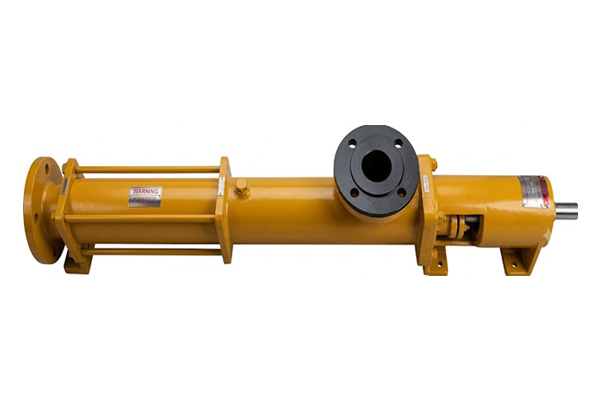
Industrial & Chemical Series Pump Type ASTEI
Design & Operating Parameters
Latest modified design of Progressive Cavity Pump engineered to handle viscous, non-viscous, abrasive, and non-abrasive slurries or media across filtration, chemical dosing, and fluid transfer applications.
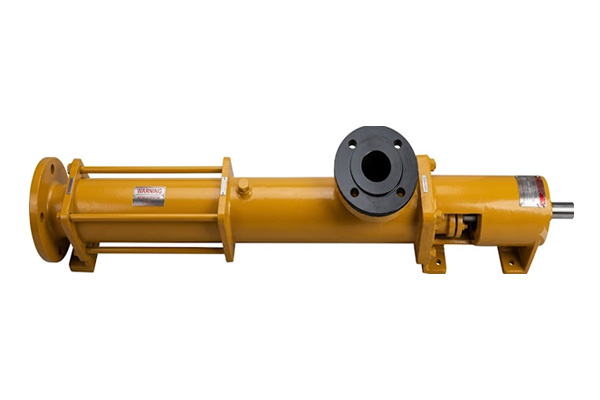
Technical Performance Limits
| Parameter | Capability Limit |
|---|---|
| Max. Flow Rate | Up to 200 |
| Max. Viscosity | Up to 1,00,000 cP |
| Discharge Pressure | Up to 36 bar |
| Applications | Filter Press Feeding, Precision Dosing, & Bulk Media Transfer |
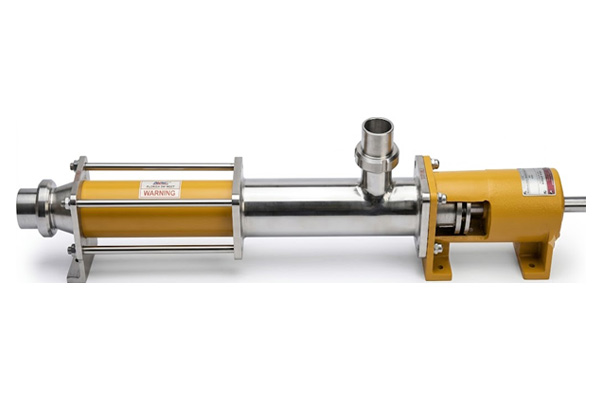
Hygienic Series Pump Type ASTEF
Hygienic & Food-Grade Series
Specially engineered with a smooth, highly finished stainless-steel construction tailored for food, beverage, pharmaceutical, and sanitary applications. Designed for rapid disassembly, simple maintenance, and effortless Clean-in-Place (CIP) procedures.
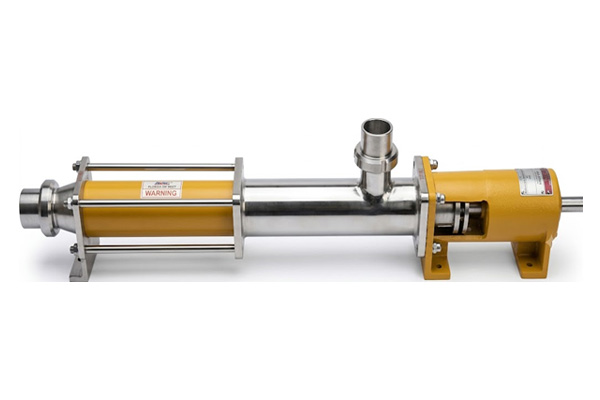
Operating Performance Limits
| Parameter | Capability Limit |
|---|---|
| Max. Flow Rate | Up to 150 |
| Max. Viscosity | Up to 1,00,000 cP |
| Discharge Pressure | Up to 36 bar |
| Key Features | Clean-In-Place (CIP) compatible, Quick-Dismantle design, High-Finish Sanitary SS construction |
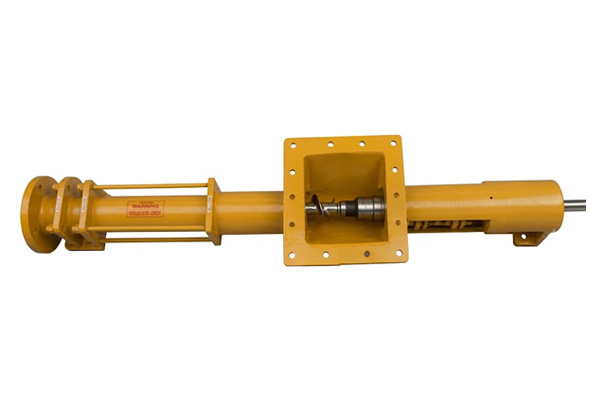
Wide Throat Pump Type ASTEW
Open Hopper & Feed Auger Series
Specially engineered with an expanded open hopper inlet and an internal feed screw (augur). This design actively forces high-viscosity media with minimal moisture content into the rotor-stator chamber, preventing bridging and ensuring smooth, continuous flow.
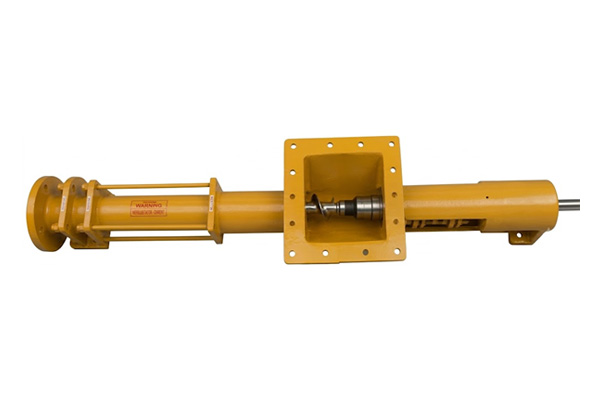
Operating Performance Limits
| Parameter | Capability Limit |
|---|---|
| Max. Flow Rate | Up to 120 |
| Max. Viscosity | Up to 1,00,0000 cP (1 Million cP) |
| Discharge Pressure | Up to 36 bar |
| Key Features | Open Hopper inlet, Integrated Feed Auger, High Solid Content Handling |
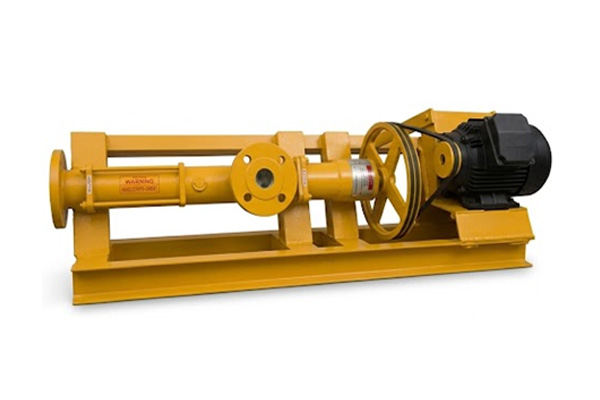
Belt-Drive Pump
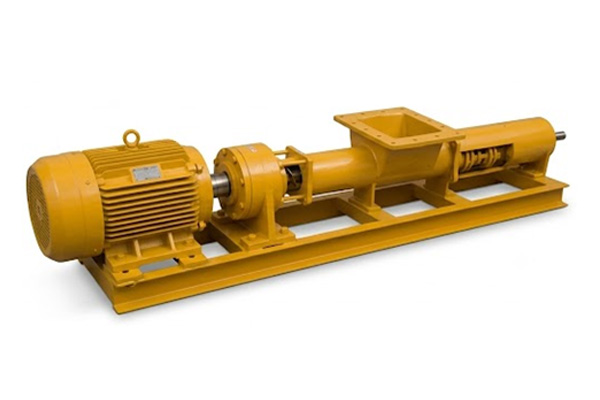
Direct-Drive Pump
| PROGRESSIVE CAVITY PUMP SELECTION & PERFORMANCE CHART | |||||||||||
|---|---|---|---|---|---|---|---|---|---|---|---|
| Technical Performance Specifications across Single, Double, and Four Stage Models | |||||||||||
| SINGLE STAGE PRESSURE (Max. 6 Kg/cm²) | DOUBLE STAGE PRESSURE (Max. 12 Kg/cm²) | FOUR STAGE PRESSURE (Max. 24 Kg/cm²) | |||||||||
| MODEL | MAX. RPM | FLOW (m³/hr) | POWER (kW) | MODEL | MAX. RPM | FLOW (m³/hr) | POWER (kW) | MODEL | MAX. RPM | FLOW (m³/hr) | POWER (kW) |
| 1541 | 1,440 | 0.18 | 0.37 | 1542 | 1,440 | 0.16 | 0.50 | 1544 | 1,440 | 0.15 | 0.50 |
| 1941 | 1,440 | 0.80 | 0.75 | 1942 | 1,440 | 0.90 | 1.10 | 1944 | 1,440 | 0.90 | 2.20 |
| 2541 | 1,440 | 2.60 | 1.10 | 2542 | 1,440 | 2.65 | 2.20 | 2544 | 1,440 | 2.20 | 3.70 |
| 2941 | 1,440 | 5.50 | 2.20 | 2942 | 1,440 | 5.40 | 3.70 | 2944 | 1,440 | 5.20 | 5.50 |
| 3541 | 1,440 | 7.50 | 3.70 | 3542 | 1,440 | 7.40 | 5.50 | 3544 | 960 | 5.00 | 7.50 |
| 3911 | 960 | 9.20 | 3.70 | 3912 | 960 | 9.20 | 5.50 | 3914 | 720 | 6.90 | 9.30 |
| 4541 | 960 | 12.00 | 5.50 | 4542 | 960 | 12.00 | 7.50 | 4544 | 720 | 8.40 | 11.00 |
| 4741 | 720 | 14.00 | 5.50 | 4742 | 720 | 13.50 | 7.50 | – | – | – | – |
| 5641 | 720 | 21.00 | 7.50 | 5642 | 720 | 20.50 | 11.00 | 5644 | 480 | 9.00 | 15.00 |
| 6641 | 720 | 35.00 | 11.00 | 6642 | 720 | 34.50 | 18.50 | 6644 | 480 | 18.00 | 22.50 |
| 7641 | 720 | 60.00 | 15.00 | 7642 | 480 | 39.00 | 22.50 | 7644 | 450 | 29.00 | 30.00 |
| 8641 | 480 | 60.00 | 18.50 | 8642 | 480 | 58.00 | 30.00 | 8644 | 360 | 38.00 | 37.50 |
| 9741 | 400 | 72.00 | 18.50 | 9742 | 400 | 70.00 | 30.00 | – | – | – | – |
| 10041 | 375 | 100.00 | 22.00 | 10042 | 375 | 100.00 | 30.00 | – | – | – | – |
| 12041 | 350 | 200.00 | 42.50 | 12042 | 300 | 150.00 | 55.00 | – | – | – | – |
* Note: The above performance data is related to water at ambient temperature at 760 mm Hg atmospheric pressure. Pump RPM and absorbed power will depend on the actual viscosity and operating conditions of the pumping media. |
|||||||||||